Tesla Color Prices: Exclusive Shades & Cost Breakdown
When evaluating the true cost of an electric vehicle, the initial Tesla color prices often serve as the first visible variable in the purchasing equation. While the base price of a model sets the stage, the specific hue you choose can significantly alter the final invoice. From the standard metallic finishes to the premium pearl and bold multi-coat options, the financial impact is anything but arbitrary. Understanding these nuances is essential for any buyer looking to make a financially informed decision without compromising on aesthetics.
The Foundation: Standard Paint Options
Tesla typically includes a standard solid color with every vehicle, providing a baseline for personalization at no extra charge. These colors are applied in a single layer, offering a clean and classic appearance that appeals to the majority of drivers. While the selection changes periodically based on market trends and production logistics, staples like Midnight Silver and Deep Blue are frequently available at no additional cost. Choosing a standard color is the most cost-effective way to configure your car, allowing buyers to allocate their budget toward performance upgrades or interior comforts instead of exterior shine.
Metallic and Premium Finish Pricing
Stepping up from the standard offerings, metallic paints introduce a layer of depth and shimmer that commands a fee. These finishes contain metallic flakes that interact with light to create a dynamic visual effect, moving beyond the flat look of solid colors. The complexity of the application process and the materials used result in a price increase of a few hundred dollars. For buyers who value the tactile experience of light on the vehicle’s surface, this upgrade represents a significant jump in perceived value and curb appeal.


Pearlescent and Multi-Coat Magic
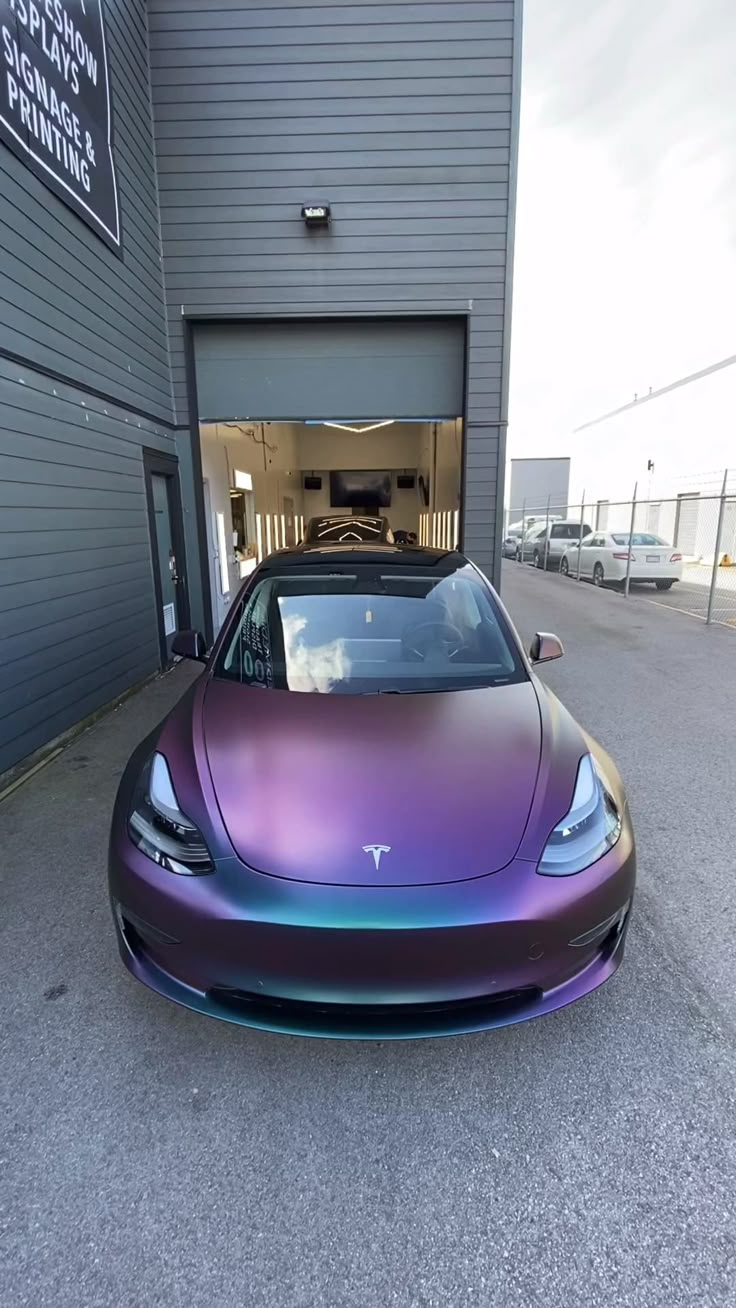
At the top of the aesthetic pyramid are Tesla’s Pearlescent and Multi-Coat finishes, which are the most expensive options available. These colors utilize advanced ceramic-based pigments and layering techniques to create a luminous, color-shifting effect that appears to glow from within. The manufacturing process is intricate, requiring precision that translates directly to the customer’s wallet. While the exact Tesla color prices for these variants fluctuate with exchange rates and supply chain conditions, they consistently represent the highest tier of investment for the exterior look of the vehicle.
Factors Influencing the Cost Variance
The final figure on the price tag of a specific color is determined by more than just raw material costs. Import tariffs, the availability of specialized pigments, and the complexity of the paint supplier’s formula all play a role. Darker colors often require more basecoat and clearcoat layers, increasing labor time and cost. Additionally, special editions or limited-run hues might carry a premium due to their exclusivity and the economics of smaller production batches.


The Long-Term Value of Aesthetics
While it is easy to view premium paint as a mere luxury, it plays a critical role in the vehicle’s long-term resale value. A well-maintained car with a flawless, vibrant paint job stands out in the used market. Buyers are often willing to pay a premium for a vehicle that looks new, and a unique or high-quality finish contributes to that impression. When considering Tesla color prices, viewing the expense as an investment in vehicle preservation is a perspective that benefits owners down the line.
Customization Beyond the Catalog
Tesla has historically experimented with premium interior material fees, and the principle occasionally extends to the exterior through special programs. Limited-edition collaborations or seasonal color releases can introduce significant markups compared to the standard lineup. These are not just changes in pigment but are often tied to a narrative or design philosophy, making the associated Tesla color prices part of a collector’s journey rather than a standard transaction.
Navigating the Configuration Checklist
To accurately project your final cost, treating the paint selection as a deliberate financial checkpoint is vital. As you move through the online configuration tool, the incremental cost of each upgrade will be displayed in real-time. Comparing the visual difference between a $0 standard black and a $1,500 premium pearl white allows for a personal cost-benefit analysis. This transparency empowers buyers to align their budget with their vision, ensuring the final vehicle is both financially sensible and personally satisfying.




Related Articles

Tesla Color Cost: Prices & Paint Options for Every Budget
When evaluating the total cost of ownership for an electric vehicle, one of the first questions that often arises is regarding the Tesla color cost. While the...

Labubu Secret Color Price Revealed: Exclusive Guide & Hidden Cost
The labubu secret color price represents one of the most intriguing aspects of the current collectible market, where rarity directly translates into...

How Much Are Color Changing Chameleons? Prices & Cost Guide
When considering a vibrant addition to your home, the cost of a color changing chameleon often represents the first financial question that comes to mind...

Car Color Wrap Cost: Prices, Trends & Savings Guide
Deciding to car color wrap cost is often the first step toward a dramatic vehicle transformation without the permanent commitment of a factory paint job...

How Much Does It Cost to Print a Color Page? Pricing Breakdown
When you hit print on a vibrant marketing brochure or a detailed infographic, the question that often lingers is, "how much does it cost to print a color...

The Ultimate Cost of One Color Paper Guide: Price Per Sheet Breakdown
When planning your next marketing campaign or office supply order, understanding the cost of one colour paper is essential. This specific query drives...