Safe & Effective Dog Eye Staining Care: Gentle Cleaning Solutions
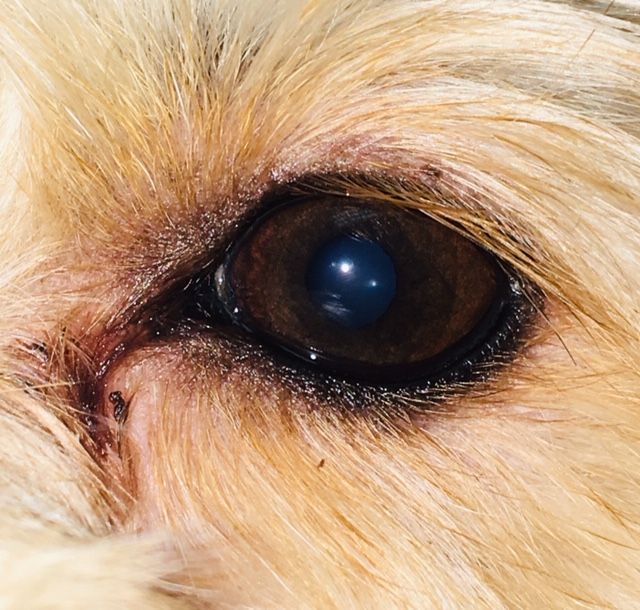
Noticing a discoloration or unusual spot on your dog’s eye can be an alarming experience for any owner. The term staining a dog’s eye often refers to the reddish-brown tear stains that commonly form on the fur beneath the eyes, particularly in breeds like Maltese, Shih Tzus, and Poodles. While this cosmetic issue is usually not painful, it can be an indicator of underlying health conditions that require attention, ranging from simple genetics to more serious infections.
Understanding the Causes of Eye Staining
To effectively address the discoloration, it is essential to look beyond the surface stain and understand the biological factors at play. The reddish-brown color is primarily caused by porphyrins, which are iron-containing molecules found in tears. When these tears overflow onto the fur and are exposed to oxygen and sunlight, they oxidize and create the stained appearance. However, the reasons why tears overflow are varied and merit careful investigation.
Anatomical and Genetic Factors
Many cases of excessive tearing are rooted in the physical structure of the dog’s face. Shallow eye sockets or flat facial profiles, common in brachycephalic breeds, can cause tears to spill out rather than draining properly through the nasolacrimal duct. Additionally, genetic predisposition means some dogs simply produce more tears than others, making them prone to these cosmetic marks regardless of their health status.


Health and Environmental Triggers
While genetics play a role, acquired conditions are often the true culprits behind severe staining. These triggers include:
- Eye Infections: Bacterial or viral infections can increase tear production significantly.
- Blocked Tear Ducts: Physical obstructions prevent tears from draining, causing overflow.
- Allergies: Environmental allergens or food sensitivities can irritate the eyes and lead to watery eyes.
- Irritants: Dust, smoke, or even certain plastics in feeding bowls can cause chronic tearing.
Safe and Effective Treatment Methods
When seeking to resolve this issue, the goal is to treat the root cause while gently managing the cosmetic result. Avoid harsh chemicals or over-the-counter dyes that promise instant results, as these can be toxic to the sensitive mucous membranes of the eye. Instead, a regimen of gentle hygiene and targeted supplements is the safest approach to maintaining ocular health.


Hygiene and Cleaning Protocols
Daily cleaning is the most immediate way to manage the appearance of the fur. Using a soft, damp cloth or sterile eye wipes, gently wipe away the moisture from the fur twice a day. It is crucial to use a separate section of the cloth for each eye to prevent the spread of bacteria or infection. If the fur matts due to constant moisture, carefully trimming the hair around the eye area can improve airflow and reduce the trapping of moisture and debris.
Dietary and Medical Interventions
For stains that persist despite good hygiene, looking at the dog’s diet and water source is the next logical step. Some dogs react to minerals in their water or ingredients in their food. Switching to a high-quality, grain-free diet or filtering the dog’s water can sometimes reduce tear production. Furthermore, supplements specifically designed for eye health—such as antioxidants, vitamin A, and colostrum—can strengthen the immune system and reduce inflammation, leading to a natural decrease in staining over time.




Related Articles

Safe Dye Dogs Hair: Vibrant Colors & Gentle Formula
Deciding to dye a dog’s hair is a significant choice that blends aesthetics with animal welfare. This practice, while visually striking, requires a thorough...
Understanding & Preventing Staining in Dogs' Eyes: Causes & Solutions
Observing a dog with red or irritated eyes immediately raises concerns for any owner. Understanding the specific condition known as stained dogs eyes, often...

Natural Copperhead Snake Repellent: Safe, Effective Solutions
Copperhead season transforms backyard spaces into zones of quiet concern for many homeowners, especially those with children or pets. These snakes, while vital...

Natural Snake Repellents: Safe & Effective Ways to Keep Snakes Away
Discovering a snake on your property is a scenario that instantly evokes fear and urgency for most homeowners. While the immediate impulse is often to reach...

Is De Toxic to Dogs? Safe Alternatives & Immediate Action Guide
De toxic is a common concern for pet owners, especially those who share their homes with curious dogs. This synthetic sweetener, often found in sugar-free...

Blond Baby Hair Color: Ultimate Guide to Safe, Gentle Highlights
Understanding the nuanced world of baby color hair blond begins with recognizing that this specific shade is not a single color but a spectrum of delicate...