Unveiling Rare Colors Red: The Ultimate Visual Feast
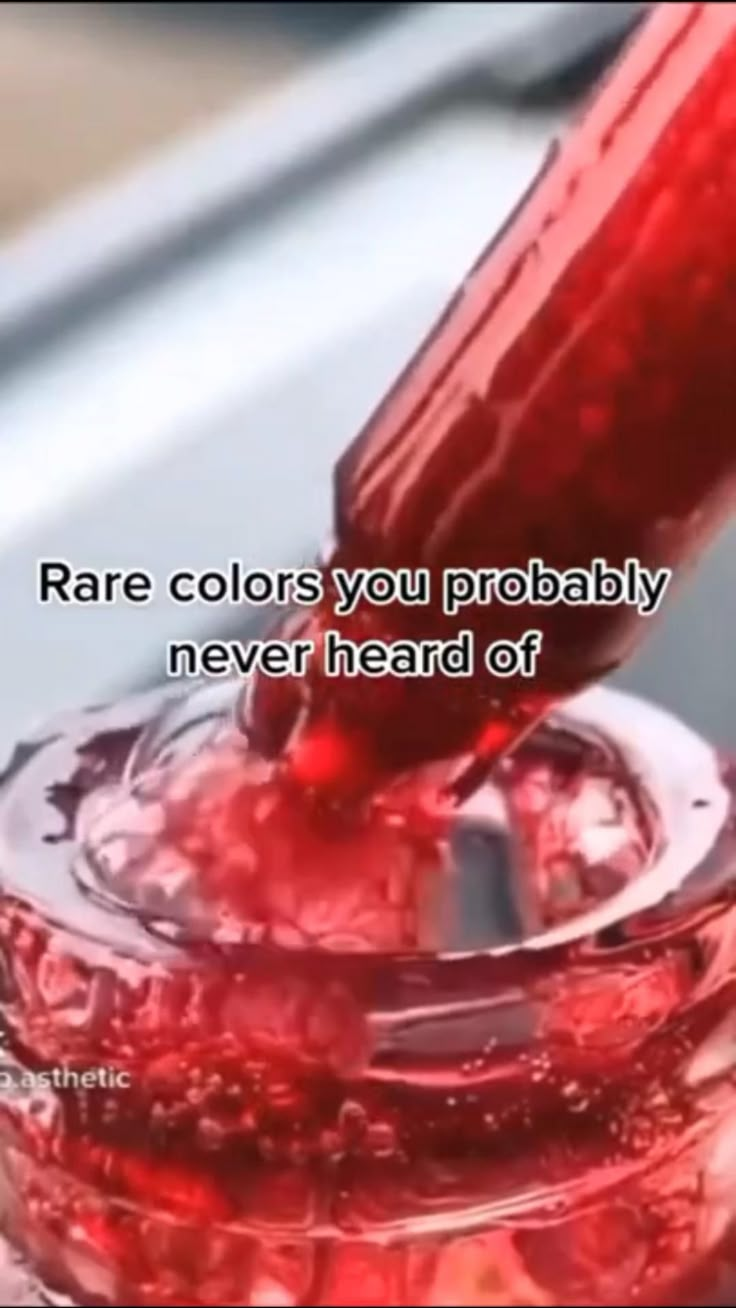
Within the spectrum of visible light, red occupies the longest wavelength and lowest frequency, a physical reality that translates into a psychological punch disproportionate to its prevalence. While the vibrant hue of a ripe tomato or a classic fire engine is familiar, the world of rare colors red explores the extreme edges of this spectrum. These are the shades that deviate from the norm, offering tones so deep they appear black, so bright they verge on neon, and so unique they challenge our perception. This exploration moves beyond the primary red of childhood crayons to uncover the unusual, the coveted, and the almost supernatural variations that define rare reds.
The Science and Psychology of Intensity
The perception of a color as "rare" often begins with its saturation and luminance. Standard red, such as that of a rose or a cardinal, exists comfortably within the expected range of human vision. However, when the intensity is pushed to extremes, the result is a rare color red that captures the eye and refuses to let go. A hyper-saturated red approaches the visual limit of pigment, appearing richer and more profound than nature typically allows. Conversely, a pale or washed-out red that leans into the territory of dried blood or faded brick ventures into the unusual for its stark contrast to the expected vibrancy. This manipulation of intensity is the primary method through which the rarity of a red is created, directly impacting the emotional resonance of the color.
Crimson: The Royal and the Rare
Often confused with generic red, crimson occupies a specific niche in the hierarchy of rare colors red. Historically derived from the dried bodies of the kermes insect, true crimson possesses a distinct bluish undertone that sets it apart from warmer, orange-based reds. This specific quality gave it immense value during the medieval and Renaissance periods, where it was a pigment reserved for the robes of cardinals and the wealthy elite. The rarity was not just in the cost of the dye but in the specific visual property of the color—a deep, slightly purple-tinged red that signified power, piety, and lifeblood. Even today, a true pigment-based crimson is less common than modern synthetic alternatives, making it a rare sight in the digital and physical worlds.


Deep Reds of the Earth and Darkness
Moving away from the bright spectrum, rare colors red also encompass the dark, grounding tones found in the earth and the void. Burgundy is a prime example, a red wine color that borrows from the purple and brown spectrum to create a complex, somber shade. It suggests luxury and maturity, often associated with leather goods and fine dining, yet it remains uncommon in everyday design due to its heavy, moody presence. Similarly, Maroon sits as a darker, more brownish-red, evoking the feeling of dried leaves or rich soil. These colors are rare because they defy the expectation of red being loud; instead, they are quiet, introspective, and sophisticated, requiring specific contexts to be used effectively.
In the realm of gemstones, the red variations of corundum provide a stunning natural display of rarity. While sapphires are common in blue, the red variant, known specifically as a ruby, is one of the most sought-after colors in the mineral world. The presence of chromium gives the stone its vivid hue, and the most valuable rubies are those that achieve a pure, vibrant red without leaning too heavily into purple or brown. These gems are geological rarities, and their color is the direct result of specific chemical conditions that are difficult to replicate synthetically at the same level of quality. The stone itself is a physical manifestation of a rare color red, capturing light in a way that seems to glow from within.


The Unnatural and the Hyper-Real
Perhaps the most striking category of rare colors red exists in the space between reality and fiction. Think of the vibrant, almost plastic-looking red of a high-performance sports car or the gleaming finish of a futuristic weapon in a science fiction film. These are synthetic reds, enhanced by technology and design to achieve an intensity that nature rarely provides. They are engineered to be brighter, sharper, and more durable than their organic counterparts. This category extends to the world of digital design, where the sheer luminosity of a screen allows for reds that are impossible to mix with physical pigments. These hyper-saturated digital reds represent the modern definition of rarity—a color that exists only in the artificial light of our devices and machines.
Cultural Rarity and Symbolic Weight
The rarity of a color is not solely determined by its physics or its presence in the natural world; it is also defined by its cultural scarcity. In many Eastern traditions, particularly in China, the color red is the absolute opposite of rare; it is the symbol of luck, prosperity, and joy, dominating festivals and celebrations. However, the specific *shade* can carry rare symbolic weight. A deep, specific red used exclusively in the imperial courts of ancient dynasties becomes rare due to its historical and cultural exclusivity. The context transforms the common red into a rare and significant artifact. Understanding this cultural layer is essential to appreciating why certain reds are revered and others are simply uncommon.
The pursuit of rare colors red is a journey through physics, history, and human perception. It moves from the biological limits of the human eye to the chemical composition of precious stones and the digital manipulation of light. These hues—from the bloody deep of burgundy to the electric brilliance of a synthetic sports car—challenge our expectations and add a layer of complexity to the simplest color in the spectrum. They are reminders that even something as fundamental as red holds a universe of variation waiting to be discovered.




Related Articles

Unveiling Rare Vibrant Colors: The Ultimate Visual Experience
Within the boundless spectrum of visible light, rare vibrant colors exist as the universe’s most captivating outliers. These are not the familiar hues of...

Unveiling Rare Colors of Purple: The Ultimate Guide
While the spectrum of purple often conjures images of rich amethysts or regal royal hues, a world of rare and unusual shades exists just beyond the familiar...

Unlocking Rare Quince Colors: A Visual Feast
Quince, the golden, fragrant fruit often overshadowed by its more popular relatives, offers a visual and sensory experience that begins long before the first...

Unveiling Earth's Hidden Hues: The Ultimate Guide to Rare Colors in Nature
Nature’s palette extends far beyond the familiar greens, browns, and blues that dominate everyday landscapes. Within the vast spectrum of life on Earth exists...

Unveiling Rare Unique Colors Names: The Ultimate Palette
Within the vast spectrum of human vision, most colors are familiar anchors in our shared reality. We navigate the world in hues of red, blue, and green...

Vibrant Hot Air Balloon Colors: A Visual Feast
At first glance, a sky full of floating baskets might look like a random splash of color against the blue. Yet, the choice of hot air balloon colors is a...