Remove Food Coloring Stains from Clothes: Easy DIY Solutions
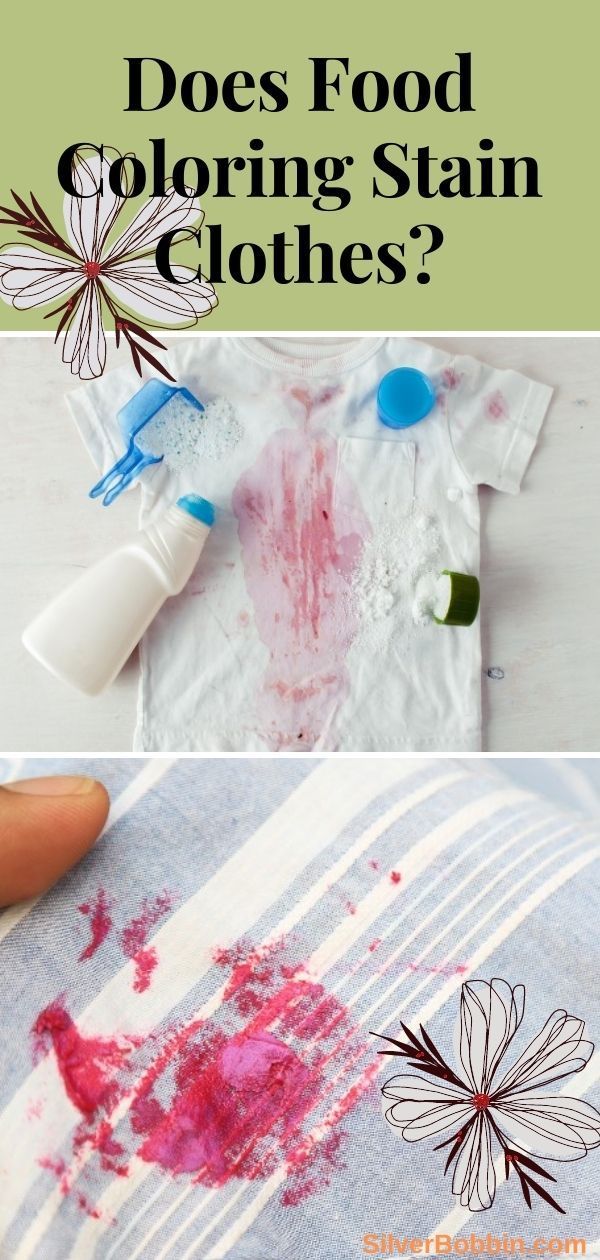
A vibrant splash of color on a favorite shirt or a tablecloth stained by a leaking dye batch can feel like a disaster. Food coloring, while designed to be safe for consumption, is a powerful pigment that bonds aggressively to fabric fibers, making a seemingly simple stain a source of significant frustration. Understanding the science behind these stains is the first step toward effectively removing them, as the very properties that make food coloring so brilliant also make it difficult to eliminate.
Why Food Coloring Clings to Fabric
Food coloring is a water-based solution composed of dyes, water, and sometimes thickeners or artificial sweeteners. Its water-soluble nature is precisely why it stains clothes so easily; the liquid载体 allows the dye particles to penetrate deep into the fabric's weave before the water evaporates. As the liquid disappears, the dye molecules are left behind, bonding with the textile fibers through a process known as adsorption. This chemical attraction makes the color incredibly difficult to dislodge, especially on synthetic fabrics like polyester and nylon, which have tighter molecular structures that trap the dye more effectively than natural fibers like cotton or linen.
The Role of Dye Type
Not all food coloring behaves the same way when it comes to staining. There are two primary categories: liquid and gel. Gel food coloring typically contains a higher concentration of dye suspended in a thicker base, allowing it to adhere to surfaces more stubbornly and creating a more intense, localized stain. Powdered food coloring, while less common for kitchen use, can also create stubborn particulate matter that grinds into the fabric during wear or washing. Furthermore, natural dyes derived from plants like beetroot or turmeric are often more fugitive, meaning they fade more easily but can also be more challenging to set and remove cleanly compared to synthetic variants.



Immediate Action: The Rinsing Protocol
The success of removing a food coloring stain is almost entirely dependent on the speed of the initial response. Once the color makes contact, the clock starts ticking. As soon as possible, hold the stained area under a steady stream of cold running water. This flushes out the loose dye particles that have not yet bonded to the fabric, preventing the stain from setting. It is critical to use cold water; hot water opens the fibers of the fabric, setting the dye permanently into the material much like cooking an egg. After the initial rinse, gently blot the area with a clean, white towel to absorb as much of the liquid and pigment as possible before proceeding to the treatment stage.
Targeted Treatment with Household Agents
For stains that have already begun to set, a multi-step treatment approach is often necessary. The goal is to break the bond between the dye and the fiber. A popular and effective method involves applying a pre-treatment agent directly to the stain. Liquid laundry detergent, due to its surfactant content, is excellent at breaking down oils and lifting pigment. Gently work the detergent into the stain using your fingers or a soft-bristled brush, allowing it to sit for 5 to 10 minutes. For more persistent stains, a small amount of white vinegar can be used to help neutralize the pH of the dye, making it easier to lift. Rinse the treated area thoroughly with cold water before assessing the results.


Washing and Drying Considerations
After applying a pre-treatment, the garment should be washed according to its care label instructions. Adding a heavy-duty laundry booster or oxygen-based bleach (such as sodium percarbonate) to the wash cycle can significantly enhance the removal of lingering dye, particularly on white or colorfast fabrics. Oxygen bleach is generally preferred as it is safer for a wider range of materials and colors compared to chlorine bleach, which can react unpredictably with food coloring and cause yellowing or fiber damage. Once the wash cycle is complete, inspect the garment before placing it in the dryer. The high heat of a dryer is the enemy of a fresh stain; it will permanently set any remaining pigment, making the spot nearly impossible to remove in the future. Air-drying is the mandatory next step to ensure the stain is fully eliminated.
The Final Inspection
It is essential to check the stain area thoroughly after the garment has air-dried. Heat from a dryer can bake in the dye, so what might have been a faint trace of color can become a permanent mark if dried prematurely. If the stain is still faintly visible, repeat the pre-treatment and washing process. Sometimes, multiple cycles are required to completely trick the dye out of the fabric. Only when the stain is no longer visible should you consider the item fully restored. This patience is the final key to ensuring that a fabric mishap does not lead to the permanent loss of a favorite piece of clothing or a spotless surface.


Related Articles
Remove Food Coloring from Clothes: Easy Stain Removal Guide
The panic of dropping a vibrant smoothie or a careless smear of pasta sauce onto a fresh load of laundry is a universal experience. The immediate question is...
Remove Food Coloring from Clothes: Easy Stain Removal Tips
The unexpected splash of food coloring on clothing can turn a routine meal into a stressful situation. Whether from a child’s enthusiastic cooking project or...

Vibrant Food Coloring Lip Stain: Long-Lasting Color & Easy Application
The food coloring lip stain trend has surged in popularity, transforming the way people think about everyday makeup. Unlike traditional lipsticks or glosses...

Remove Food Coloring from Skin Fast: Safe Methods & Tips
Discovering a smear of vibrant dye on your forearm after decorating cookies is a surprisingly common kitchen mishap. While the food coloring washes off easily...
Remove Food Coloring from Carpet Easily
The panic you feel when vibrant food coloring splashes onto your pristine carpet is a universal homeowner experience. Whether it is a droplet from a child’s...

Vibrant Food Coloring Vinegar Eggs: Easy Colorful Recipes
Food coloring vinegar eggs represent a classic kitchen experiment that transforms ordinary hard-boiled eggs into vibrant, speckled masterpieces. This process...