Dot Marker Coloring Pages: Fun Printables for Kids
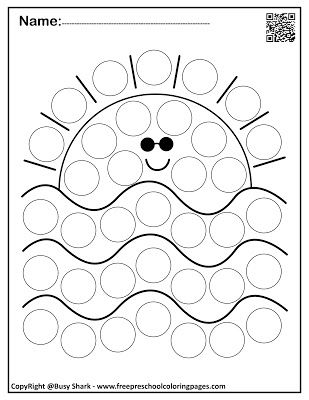
Coloring pages for dot markers represent a vibrant intersection of creativity and accessibility in early childhood development. These specialized sheets are designed specifically to accommodate the circular stamping action of Q-tips or bingo markers, transforming a simple ink pad into a tool for artistic expression. Unlike traditional crayons or pencils, this medium encourages a unique wrist motion and precision, making it an excellent activity for developing the fine motor skills necessary for future writing proficiency. The bold, circular dots of color that appear on the page offer immediate visual satisfaction, which helps to maintain a young child's engagement and focus during the creative process.
The Mechanics of Dot Marker Creativity
The functionality of these coloring pages is deceptively simple, which is precisely why they are so effective. A child dips the end of a Q-tip into a water-based, washable ink and presses it against the paper to create a dot. This action requires a degree of control and pressure management that strengthens the pincer grasp and finger muscles. The rigidity of the cotton swab provides just enough resistance to give the user a sense of physical feedback. Because the dots are generally contained within the lines of a pre-drawn image, the activity also promotes spatial awareness and boundary recognition, preventing the ink from bleeding and ruining the artwork.
Educational Benefits Beyond Coloring
While the primary goal is often just for fun, the educational benefits of using dot markers are substantial and multi-faceted. The repetitive motion of dipping and stamping helps to regulate mood and provides a calming, almost meditative experience for children who may be overstimulated. As children select colors and decide where to place each dot, they are engaging in early problem-solving and decision-making exercises. Furthermore, these pages are often used to teach color theory, pattern recognition, and letter identification, where children must dot inside letters or follow a sequence of colors to reveal a hidden picture.


The Visual Appeal and Design Variety
The aesthetic range available for dot marker activities is remarkably diverse, catering to a wide spectrum of interests and age groups. You can find everything from simple geometric shapes and basic line tracing exercises suitable for toddlers, to intricate mandalas and detailed character scenes designed for older children. Many modern sets follow specific themes such as animals, space exploration, or fairy tales, which helps to contextualize the learning experience. The visual feedback of a page filling up with colorful dots is incredibly rewarding, providing a tangible representation of the child's effort and concentration.
The Advantage of Washable Inks
A significant practical advantage of this activity lies in the use of washable, non-toxic inks. Parents and educators can facilitate creative play without the constant stress of permanent stains on clothes or furniture. This safety feature encourages experimentation and allows children to explore color mixing freely, knowing that accidental marks are easily cleaned up. The peace of mind provided to adults means the activity can be set up independently, fostering a sense of autonomy in the child as they engage in play-based learning.


Integrating Dot Markers into Daily Routines
Incorporating dot marker pages into a daily or weekly schedule is a straightforward way to add structure to playtime. They serve as an ideal quiet time activity, perfect for winding down after school or during a calm hour before nap time. Teachers often utilize them in classroom centers, allowing small groups to work on them while the instructor focuses on guided reading sessions. The storage is minimal—requiring only the printed sheets and a small container of markers—making them a low-prep, high-impact resource for busy caregivers.
Progression and Skill Development
As a child masters the basic use of a dot marker, the complexity of the pages can increase to match their growing abilities. Start with pages that feature large, open spaces for easy targeting, then gradually introduce smaller shapes and tighter grids that demand greater precision. This progression helps to build hand-eye coordination and endurance in sustained focus. Eventually, children may move beyond simple dotting to activities that require them to count the dots, trace letters formed by dot sequences, or follow specific color keys to decode a hidden image.
Choosing the Right Materials
Selecting the appropriate paper weight is crucial for a successful dot marker experience. Standard printer paper is suitable for thin ink pads and younger children, but it often suffers from bleeding or tearing when saturated with wet ink. For more advanced users or larger projects, heavier cardstock or sticker paper is recommended, as it provides a durable surface that withstands repeated stamping and prevents warp. Investing in high-quality, non-toxic markers with a good ink flow ensures the stamps are crisp and vibrant, enhancing the overall satisfaction of the activity.




Related Articles

Vibrant Marker Coloring Pages for Creative Kids
For the modern artist, whether a parent seeking creative enrichment or a hobbyist looking for a focused outlet, coloring pages for markers represent far more...

Farm Animals Dot Markers Coloring Pages: Fun Printables for Kids
Farm animals dot markers coloring pages offer a unique blend of simplicity and educational value, transforming a basic creative activity into an engaging...

Easy Naruto Coloring Pages For Kids – Fun & Simple Printables
Unlock the vibrant world of Naruto with our easy coloring pages, designed specifically for young artists. These printable sheets transform the beloved shinobi...

Simple Coloring Pages Transparent: Easy Printables for Kids
Simple coloring pages transparent assets have become an essential resource for educators, parents, and content creators looking to provide flexible...

Zoe Zebra Peppa Pig Coloring Pages: Fun Printables for Kids
Parents and educators searching for engaging activities for young children often encounter the delightful combination of zoe zebra peppa pig coloring pages...

Fun Monday Mandala Coloring Pages for Kids – Free & Easy Printables
Monday Mandala coloring pages for kids offer a unique way to start the week with creativity and calm. These intricate circular designs transform the...