Color Correction vs Balayage: The Ultimate Hair Color Showdown
When you stand in front of the mirror, the hair color you see is the result of a deliberate creative choice. For many, the decision between color correction and balayage is the first step in a journey toward a new look, yet the two techniques serve fundamentally different purposes. Understanding the mechanics, results, and aftercare of each is essential for making a choice that aligns with your lifestyle and hair goals.
Defining the Core Concepts
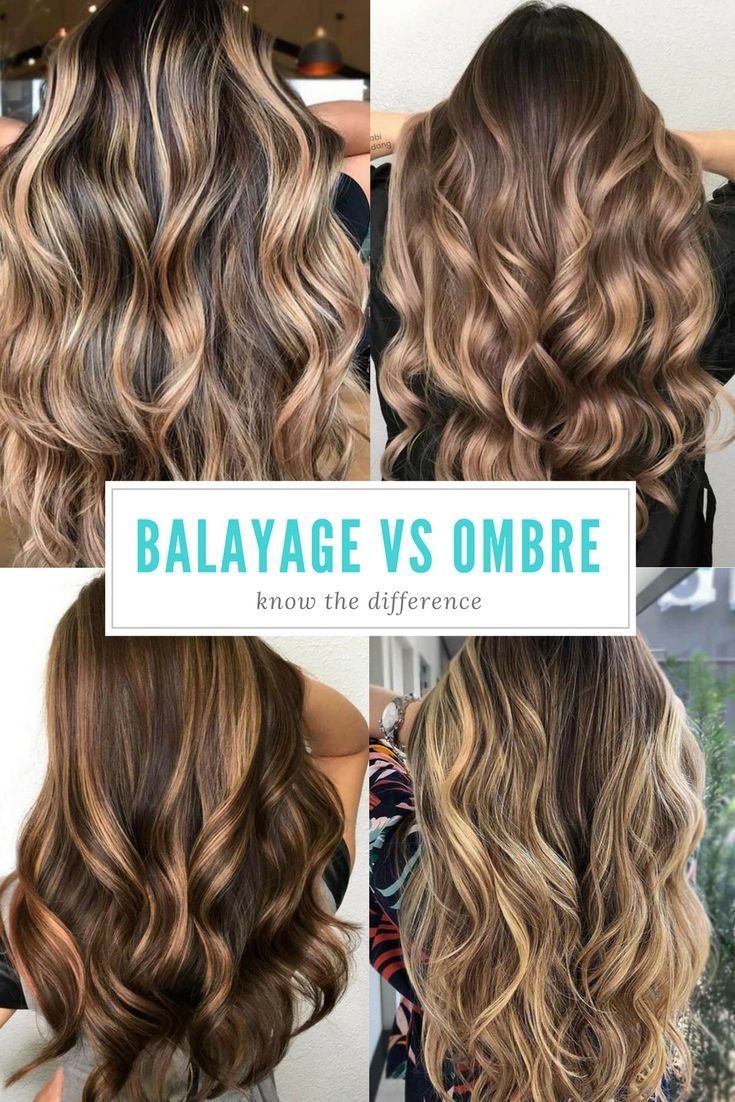
Color correction is a restorative process focused on the health and base color of the hair. It involves neutralizing unwanted tones, covering grays, and building a clean canvas for future color applications. This often requires lightening or darkening the hair to remove previous mistakes or to create a uniform base. In contrast, balayage is a freehand painting technique designed to create a natural, sun-kissed effect. The colorist paints the dye onto the mid-shafts and ends of the hair, leaving the roots softer and less saturated. The result is a dimensional look that grows out with minimal regrowth line.
The Technical Process
The technical execution of these methods highlights their primary differences. Color correction is often a more structured process, sometimes requiring multiple sessions to achieve the target base without damaging the hair. It relies on precise measurements and formulations to ensure the final color is accurate and free of brassiness. Balayage, however, is an art form that prioritizes subtlety over strict precision. The colorist uses vertical sections and varying saturation to ensure the transition from root to tip is seamless. This variance in application dictates the vastly different outcomes you can expect from each service.


Visual Results and Longevity
One of the most significant factors in choosing between these services is the visual result. Color correction provides a high-impact transformation, completely changing the hair's personality. Whether you are going platinum blonde, rich chocolate brown, or a vibrant fashion color, correction ensures the shade is bold and consistent. Balayage, on the other hand, offers a soft, natural appearance. The absence of harsh lines creates a lived-in look that feels authentic. Because the regrowth is less noticeable, balayage requires fewer touch-ups, typically every 8 to 12 weeks, whereas corrected color might need more frequent maintenance to preserve the vibrancy.
| Feature | Color Correction | Balayage |
|---|---|---|
| Primary Goal | Restore or drastically change base color | Create natural, dimensional highlights |
| Application | Even saturation, often involving foils | Freehand painting, selective saturation |
| Regrowth | Noticeable line, requires frequent touch-ups | Soft, seamless regrowth |
Hair Health Considerations
The impact on hair health cannot be overlooked when comparing these techniques. Color correction, particularly when lifting dark hair to a light shade, is a more aggressive process. It strips the natural oils and can cause significant damage if not performed by a skilled professional with proper aftercare protocols. Balayage is generally considered a gentler option because it processes primarily on the mid-lengths and ends. The roots act as a buffer, reducing the overall processing time and minimizing the potential for dryness or breakage.


Maintenance routines diverge significantly after the service is complete. Someone who has undergone color correction needs a strict regimen of sulfate-free shampoos, deep conditioning masks, and potentially bond-building treatments to keep the hair from becoming brittle. The pigment is locked deep within the cuticle, requiring specific products to extend the life of the color. Balayage clients, while still encouraged to use color-safe products, often find that their hair retains moisture better. The painted ends act like natural sun streaks, causing less friction and fading than a single, solid shade.
Choosing the Right Option for You
Deciding which service is right for you depends entirely on your personal aesthetic and daily routine. If you desire a dramatic change, have significant gray coverage, or are unhappy with your current color, correction is the logical first step. It provides the clean slate necessary to achieve your dream shade. If you prefer a low-maintenance look that enhances your natural hair color without committing to a specific pattern, balayage is the ideal choice. The soft graduation of color complements most face shapes and works well with busy lifestyles that don't allow for frequent salon visits.
Ultimately, both color correction and balayage are tools for self-expression. By evaluating your current hair condition, desired outcome, and budget, you can determine which method will deliver the confidence boost you are seeking. Consulting with a certified colorist to discuss your hair's history and vision is the best way to ensure a beautiful, healthy result that lasts.



Related Articles

Belle Color vs Nutrisse: The Ultimate Hair Dye Showdown
Choosing between Belle Color and Nutrisse often comes down to the specific results you want and your history with hair color. Belle Color is celebrated for its...

Milk Tea Color Balayage: The Ultimate Guide to the Viral Ombre Hair Trend
milk tea color balayage has taken the hair world by storm, offering a sweet and sophisticated alternative to traditional highlights. This technique blends...

Lisa Frank Hair Dye: Ultimate Rainbow Color Guide & Shades
For a brand synonymous with chaotic rainbows, plastic accessories, and pure 90s nostalgia, it is perhaps surprising that Lisa Frank does not have an official...

What Color Is Tinkerbell's Hair? The Ultimate Guide
When asking what color is Tinker Bell's hair, the immediate answer is a vibrant, springtime green. This specific shade is as iconic as her tiny voice and has...

Vegeta Hair Color: The Ultimate Dragon Ball Z Guide
When examining the visual evolution of Dragon Ball Z, the striking transformation of Vegeta’s hair color stands out as one of the most iconic shifts in the...

Milk Tea Hair Color Matrix: Ultimate Guide to the Viral Trend
Stepping into the world of vibrant hair color starts with a solid foundation, and for semi-permanent and demi-permanent dyes, that foundation is the milk tea...